
Processes That Were Never Built to Stop
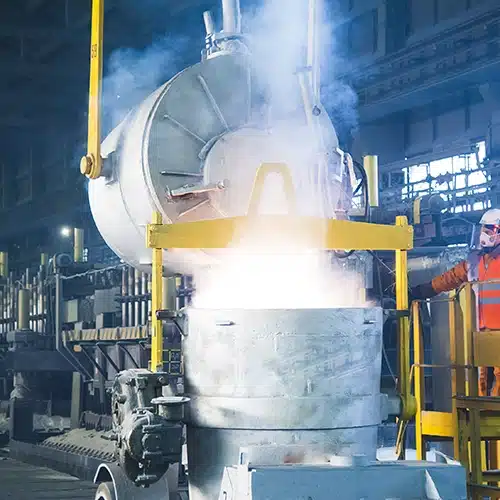
Lime kilns, glass, aluminum, plastic, and casting lines are designed for continuous operation. Unlike batch processes that can pause for maintenance, these environments subject control systems to intense wear. Failures in this chain can immediately impact throughput, energy efficiency, and safety compliance. ECKLEBE modernizes these systems with a focus on reliability, enabling improvements without requiring operational shutdowns.

Electrical and control infrastructure installed decades ago does not meet current uptime expectations or diagnostic needs. ECKLEBE replaces these systems to restore reliability without interrupting processes designed for continuous operation.

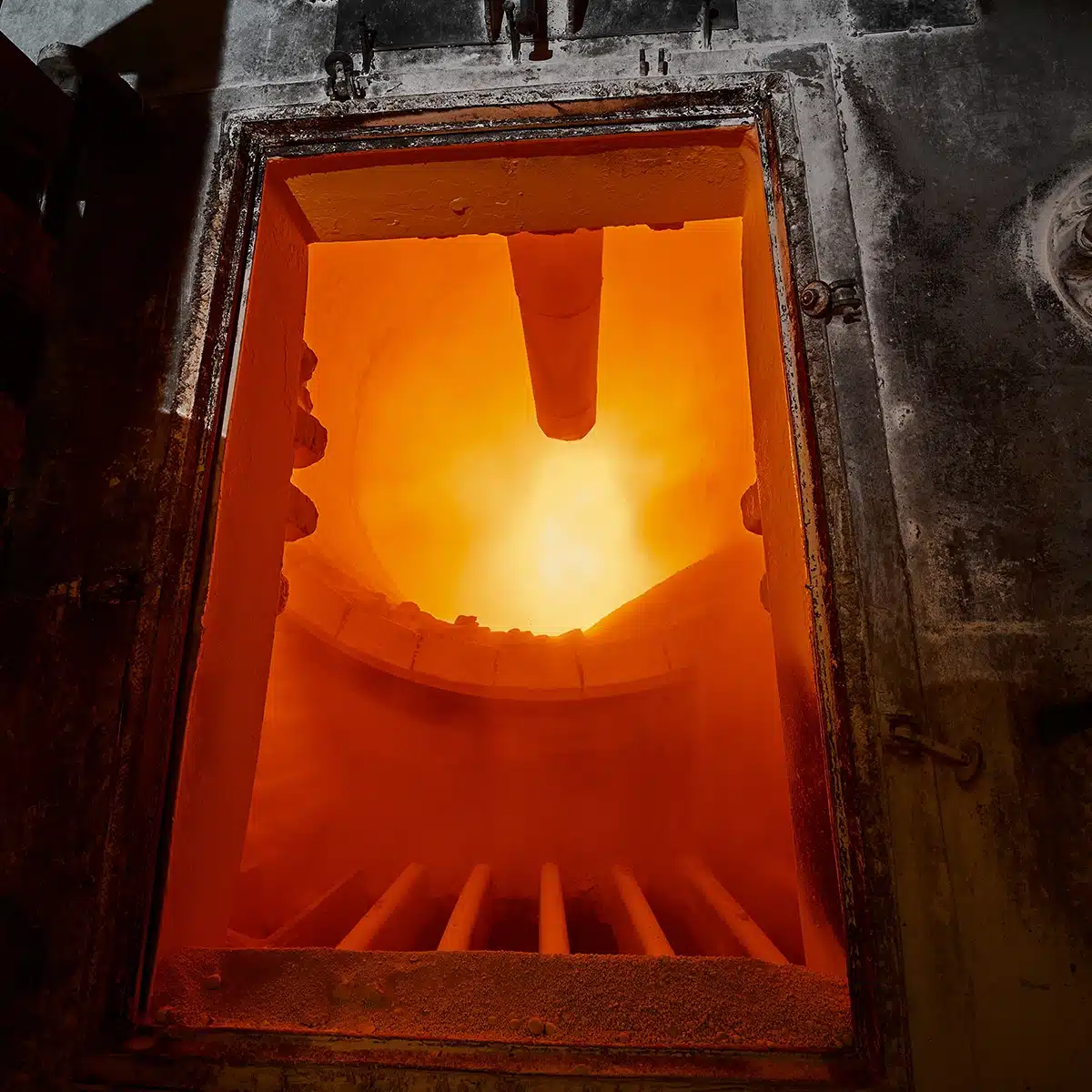
Combustion-driven processes such as lime kilns inherently consume significant energy, and outdated controls increase these costs. Optimized combustion control reduces energy use without altering the core process.
High-heat, continuous-duty environments present greater safety risks than most industrial settings, and legacy systems often do not meet current SIL and functional safety standards. Upgrading burner management and safety interlocks addresses these gaps at the source.
Decades of Experience in Continuous, Harsh Environments
For more than 30 years, ECKLEBE has delivered electrical, controls, safety, and instrumentation solutions for some of the most demanding continuous production environments in the world. Our work centers on modernizing aging systems while building in the digital continuity that keeps operations stable across generations.
- Modernization of control systems and drives
- Safety system upgrades and SIL-compliant burner management
- UL-certified panel fabrication
- Lifecycle support with digital continuity through CRAWLER
- Experience across lime kilns, float glass lines, non-woven production lines, and glass coating systems
Proven in the Field
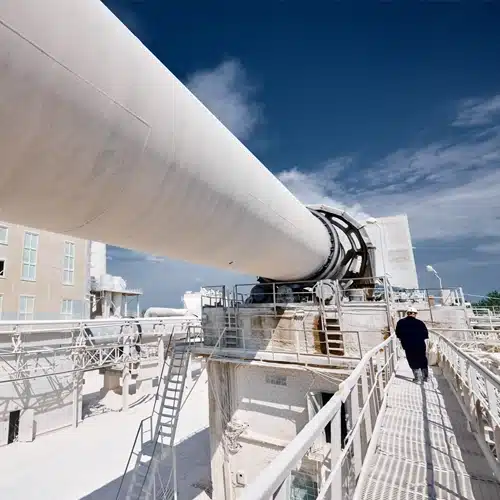
With more than 30 years of experience and approximately 70 lime kilns equipped worldwide, ECKLEBE delivers end-to-end electrical, controls, safety, and instrumentation solutions for lime producers globally.
The Challenge
A lime producer was facing aging control infrastructure, limited spare part availability, and strict safety compliance requirements, all while managing high energy consumption and continuous production demands where unplanned downtime directly impacted throughput.
The Solution
ECKLEBE modernized the kiln’s operations through fully integrated electrical and controls upgrades, SIL-compliant safety systems, and lifecycle support designed for continuous, harsh environments.
The Results
- 3–8% increase in production through improved process stability and control accuracy
- 20–40% reduction in unplanned downtime via reliable automation and predictive diagnostics
- 5–12% reduction in energy consumption through optimized combustion control

Digital Twins
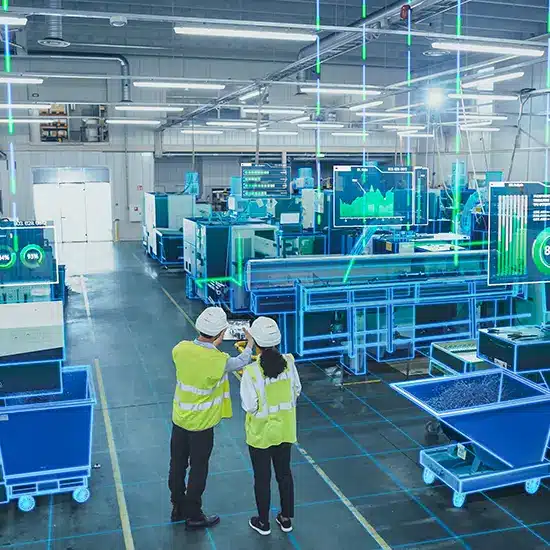
See how simulation and real-time data work together to reduce commissioning risk
Common Questions From Basic Materials Producers
-
How can a lime kiln be modernized without shutting down production?
Modernizing a continuously running process like a lime kiln typically means upgrading the electrical, control, and safety systems in a planned sequence, rather than taking the entire operation offline at once. ECKLEBE approaches these projects with the same lifecycle strategy applied across other continuous production environments, sequencing control and safety upgrades so the kiln keeps running through as much of the project as possible. This matters especially in lime production, where unplanned downtime directly affects throughput and where restarting a kiln from a full shutdown carries its own cost and risk.
-
What causes rising energy costs in combustion-driven processes?
Energy costs in combustion-driven processes typically rise as control precision degrades, since older systems struggle to maintain the tight combustion tuning that efficient operation depends on. Optimized combustion control addresses this directly by improving how precisely it manages fuel and airflow throughout its cycle. In past modernizations, this kind of control upgrade has delivered energy consumption reductions in the range of 5 to 12 percent, without changing the underlying process itself.
-
What does SIL-compliant safety system modernization involve for continuous production environments?
SIL-compliant modernization means upgrading burner management and safety interlock systems to meet current functional safety standards, which older continuous-duty equipment often falls behind on as those standards evolve. ECKLEBE integrates these upgrades as part of a broader electrical and controls overhaul, rather than treating safety compliance as a separate project, so the systems governing safety and the systems governing production stay aligned. This is particularly relevant for high-heat, continuous-duty environments like lime kilns, where the safety stakes are higher than in most industrial settings. Contact us to learn more.
-
How does aging control infrastructure affect production throughput in continuous processes?
Aging control infrastructure tends to reduce throughput gradually, through process instability and unplanned downtime, rather than through a single dramatic failure. As control precision drifts and diagnostic capability falls behind, operators lose the ability to catch small issues before they compound into larger production interruptions. Facilities that have modernized their control systems in continuous production environments have seen throughput increases in the 3 to 8 percent range, largely from improved process stability alone.
-
Is it possible to get predictive maintenance capability on equipment that's been running for decades?
Yes, predictive diagnostics can typically be added to legacy equipment through modernized control systems and edge-based data platforms like CRAWLER, without requiring the underlying mechanical equipment to be replaced. This gives operators visibility into developing issues before they become failures, which is especially valuable in continuous production environments where reactive maintenance carries a higher cost than in processes that can be paused more easily. In past projects, this kind of diagnostic capability has contributed to unplanned downtime reductions of 20 to 40 percent.
Ready to Strengthen a Process You Can't Pause?
Talk to our team about a modernization strategy built around your facility’s uptime requirements.