
Every Year an Old Press Brake Runs, the Risk Compounds
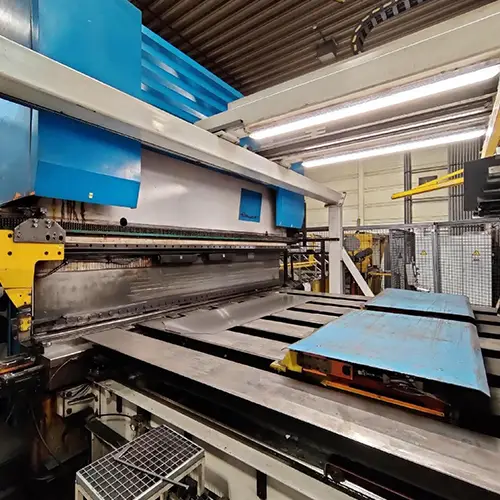
A press brake built decades ago can still bend steel reliably, but the systems around it rarely age as well. Controllers become obsolete, electrical components wear out, and documentation disappears long before the machine itself fails. Left alone, this leads to downtime, safety risks, and compliance gaps that grow more costly over time. ECKLEBE retrofits failing parts around the press so the machine you already run keeps working as it should.

Once a controller reaches end of life, sourcing parts or troubleshooting failures depends on luck rather than support. ECKLEBE replaces obsolete control systems with modern PLCs designed for ongoing maintenance.

Older cabinets, servo drives, and HMIs were not designed for current duty cycles or safety standards. Retrofitting these components restores reliability while preserving the original mechanical press.

Safety standards evolve faster than legacy machines can accommodate, leaving older press brakes noncompliant with current CE, OSHA, or ISO requirements. Upgrading electrical and control systems to meet modern safety standards addresses this gap.

Everything the Press Depends On, Modernized
Rather than replacing a press brake outright, ECKLEBE rebuilds its core components. The result is a machine that performs like new equipment while keeping the mechanical press your operators already know.
- Replacement of obsolete control systems with modern PLCs
- New electrical cabinets, servo drives, VFDs, and HMIs
- Hydraulic system optimization for energy efficiency
- Lifecycle support and a long-term spare parts strategy
Proven in the Field
ECKLEBE partners with operators of European press brakes and special-purpose machinery worldwide to extend machine life, enhance performance, and maintain long-term serviceability without requiring full equipment replacement.
The Challenge
Operators of aging press brakes and bending machines encounter obsolete controllers, worn electrical components, safety compliance gaps, and limited documentation. These issues increase risks to reliability and productivity, resulting in higher long-term costs.

The Solution
ECKLEBE provides comprehensive electrical and mechanical retrofits to replace obsolete systems, ensure modern safety compliance, and implement a sustainable spare parts strategy.

The Results
- 5–15% increase in overall machine throughput
- 30–60% reduction in unplanned downtime
- 10–30% reduction in scrap rates
- Full compliance with current safety standards (CE, OSHA, ISO)


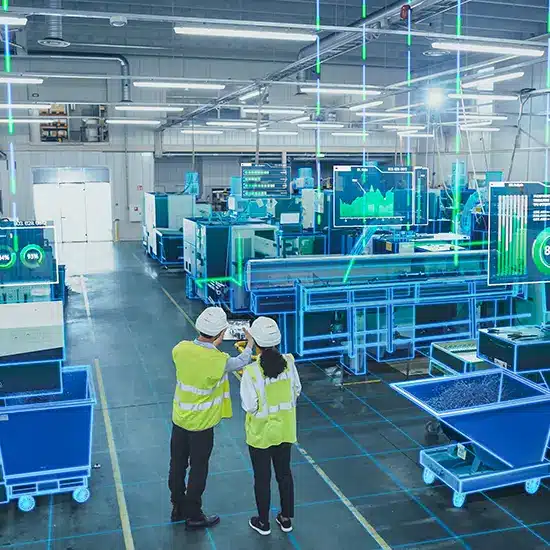
Digital Twins
See how simulation and real-time data work together to reduce commissioning risk
What Press Brake Operators Want to Know
-
How can I modernize an old press brake without replacing it entirely?
Modernizing a press brake typically means retrofitting the electrical and control systems around the machine rather than replacing the mechanical press itself, which is usually the most durable part of the equipment. ECKLEBE's approach replaces obsolete PLCs, installs new servo drives, VFDs, and HMIs, and optimizes the hydraulic system, all while keeping the original press in service. This route costs a fraction of full replacement and avoids the extended downtime a new machine purchase and commissioning process would require. Contact us to learn more.
-
What are the signs that a press brake's control system needs to be replaced?
The clearest signs are a controller the manufacturer no longer supports, difficulty sourcing replacement parts, and increasing troubleshooting time when something fails. Inconsistent bend accuracy and rising scrap rates often point to the same underlying issue, since aging control precision degrades before the mechanical press itself does. Documentation gaps compound the problem, making it harder to diagnose issues as the original engineering knowledge becomes harder to access.
-
Will retrofitting my press brake bring it up to current safety standards?
In most cases, yes. Retrofits that include updated control systems and electrical components are built to meet current CE, OSHA, and ISO requirements, closing the compliance gaps that accumulate as safety standards evolve past a machine's original design. This matters particularly for older press brakes, where the safety systems in place at the time of manufacture may no longer satisfy today's regulatory expectations.
-
How much downtime does a press brake retrofit typically require?
Downtime depends on the scope of the retrofit, but the goal is always to minimize disruption to ongoing production. Because the mechanical press stays in place and only the electrical, control, and safety systems are replaced, a retrofit is typically far faster than sourcing, installing, and commissioning an entirely new machine. Facilities that have gone through this process have seen reductions in unplanned downtime of 30–60% once the retrofit is complete.
-
Is retrofitting a press brake more cost-effective than buying a new one?
For most operators, retrofitting costs significantly less than a full machine replacement, since the mechanical press, tooling, and floor space requirements all stay the same. The investment goes toward the components that actually cause reliability and compliance issues, which are the controls and electrical systems, not the press itself. Combined with a long-term spare parts strategy, retrofitting also reduces the likelihood of facing the same obsolescence problem again in a few years.
Ready to Extend the Life of Your Press Brakes?
Talk to our team about a retrofit strategy built around your equipment and your timeline.