
Aging Systems Don't Fail All at Once
Aging systems lose reliability as controllers, components, and safety standards fall behind. Facilities end up managing risk instead of production. Full replacement is rarely the fastest or cheapest fix - ECKLEBE modernizes through targeted upgrades, addressing only what limits performance.
Limitations of Isolated Fixes
Individual retrofits and component replacements may keep equipment running, but without a unified strategy, they address only symptoms, not root causes. ECKLEBE assesses the entire environment to ensure each upgrade supports a cohesive, long-term asset strategy rather than isolated fixes.

Keeping Production Running
Full system replacements often require extended downtime that most facilities cannot accommodate. A phased migration plan sequences upgrades to maintain production and limits disruptions to each upgrade’s scope.

Preserving Operational Knowledge
Each hardware or software upgrade risks the loss of valuable process knowledge if not managed properly. By integrating digital continuity into the retrofit process with CRAWLER, ECKLEBE preserves operational intelligence throughout the transition.
From Machine Signal to Structured Decision
ECKLEBE delivers a connected modernization strategy that preserves an asset's value long after the project closes. That starts with a full system assessment and a phased migration plan that keeps production running while operational intelligence carries forward instead of resetting.
Control & Drive Modernization
Replace outdated PLCs and drives with modern systems designed for today’s reliability and diagnostic standards. This ensures troubleshooting relies on real data instead of guesswork on poorly documented equipment.
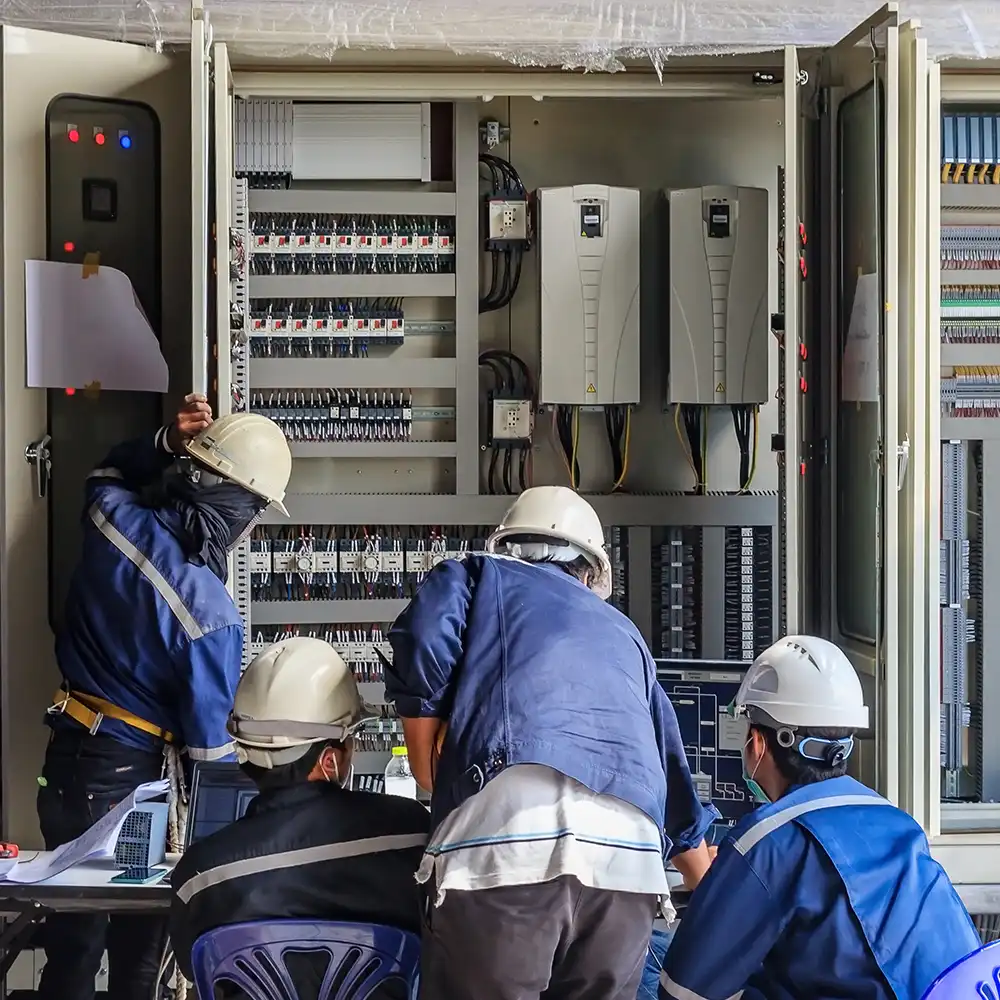
SIL-Compliant Safety Upgrades
Bring safety controllers and interlocks up to current SIL and functional safety requirements, close compliance gaps that accumulate as standards evolve beyond a system’s original design.
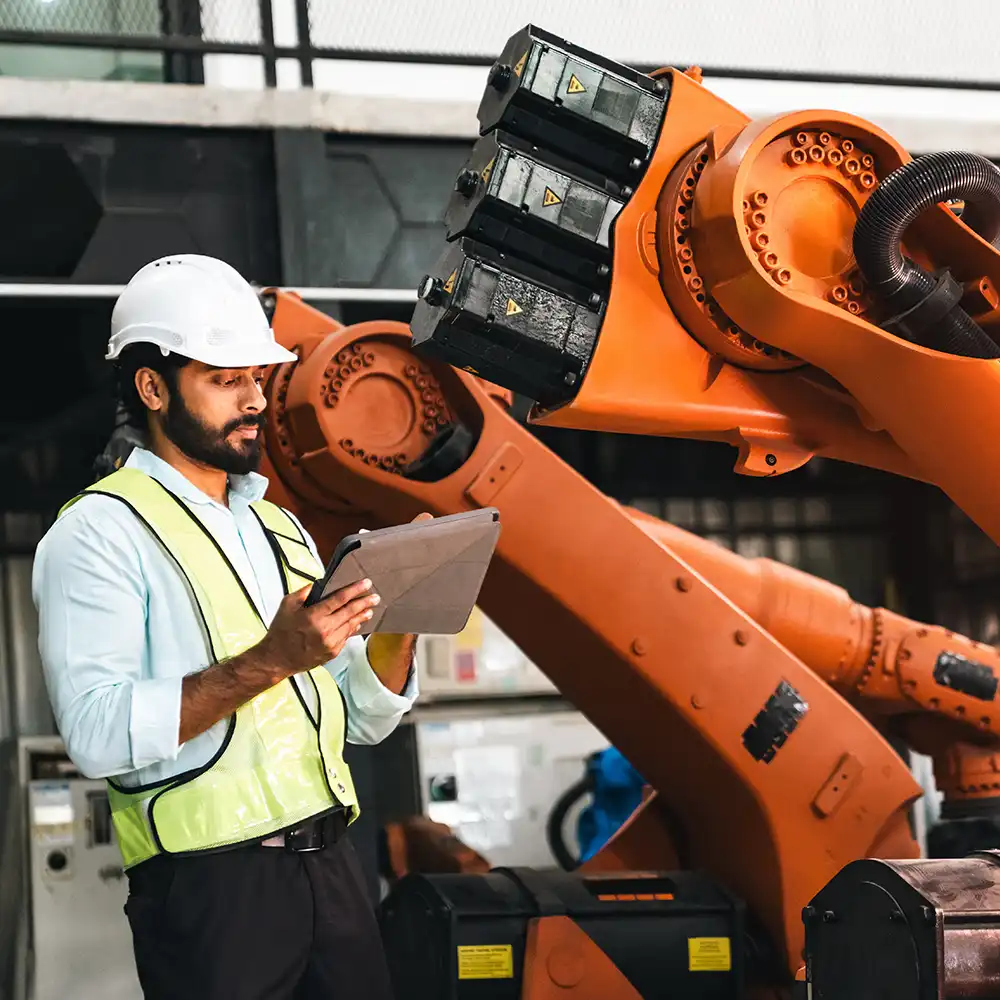
HMI & Operator Interface Upgrades
Modernize the screens and controls your team uses daily, without retraining for a new system or disrupting workflows your operators already know.
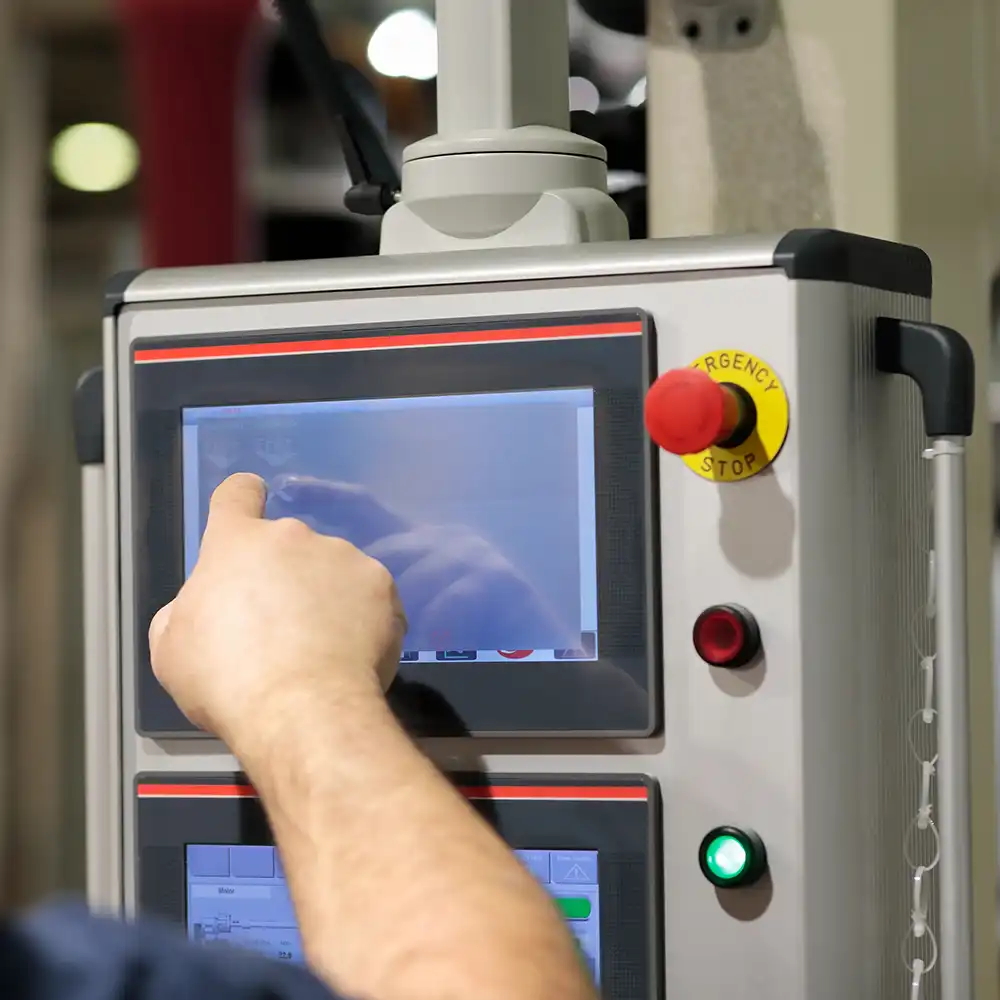
UL-Certified Panel Fabrication
Custom electrical panels and infrastructure built to North American compliance standards, engineered around your facility’s operational requirements rather than a generic template.
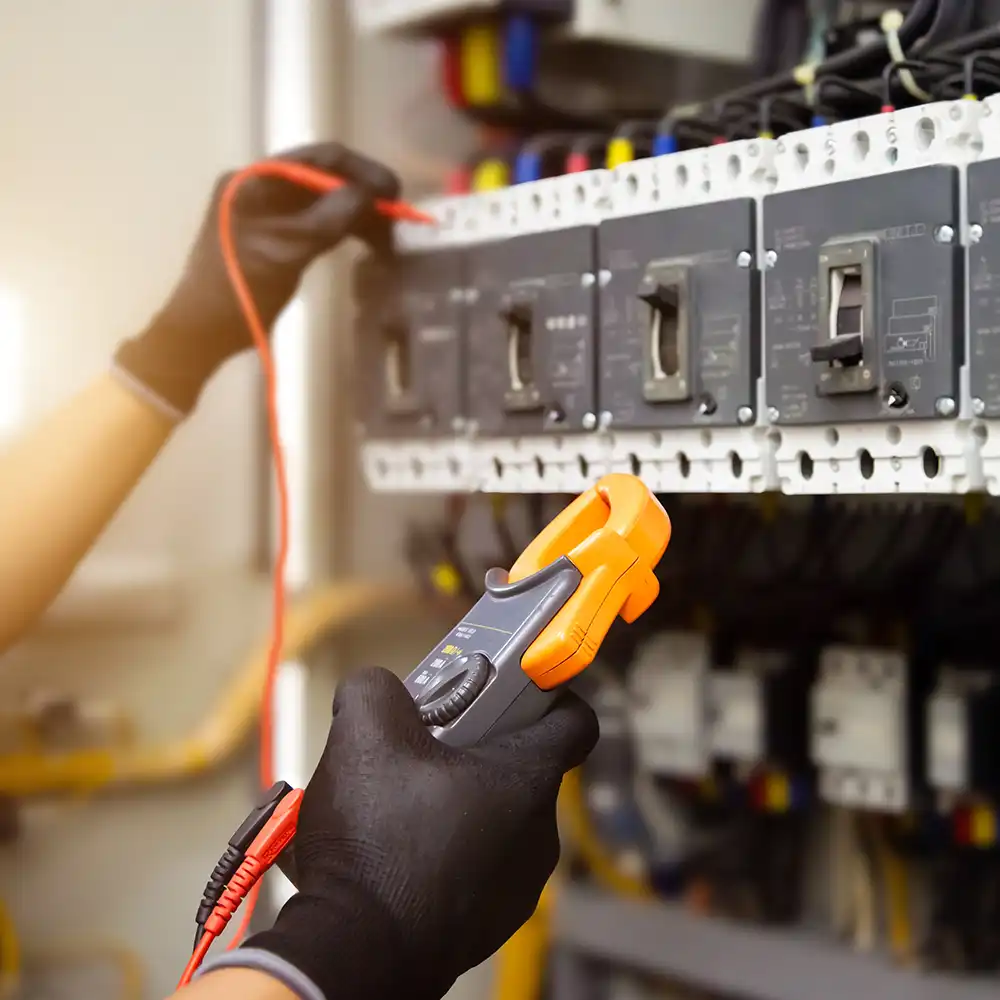
Press Brake Retrofits
Extend the life of specialized equipment through targeted electrical and controls upgrades to avoid the cost and downtime of full machine replacement.
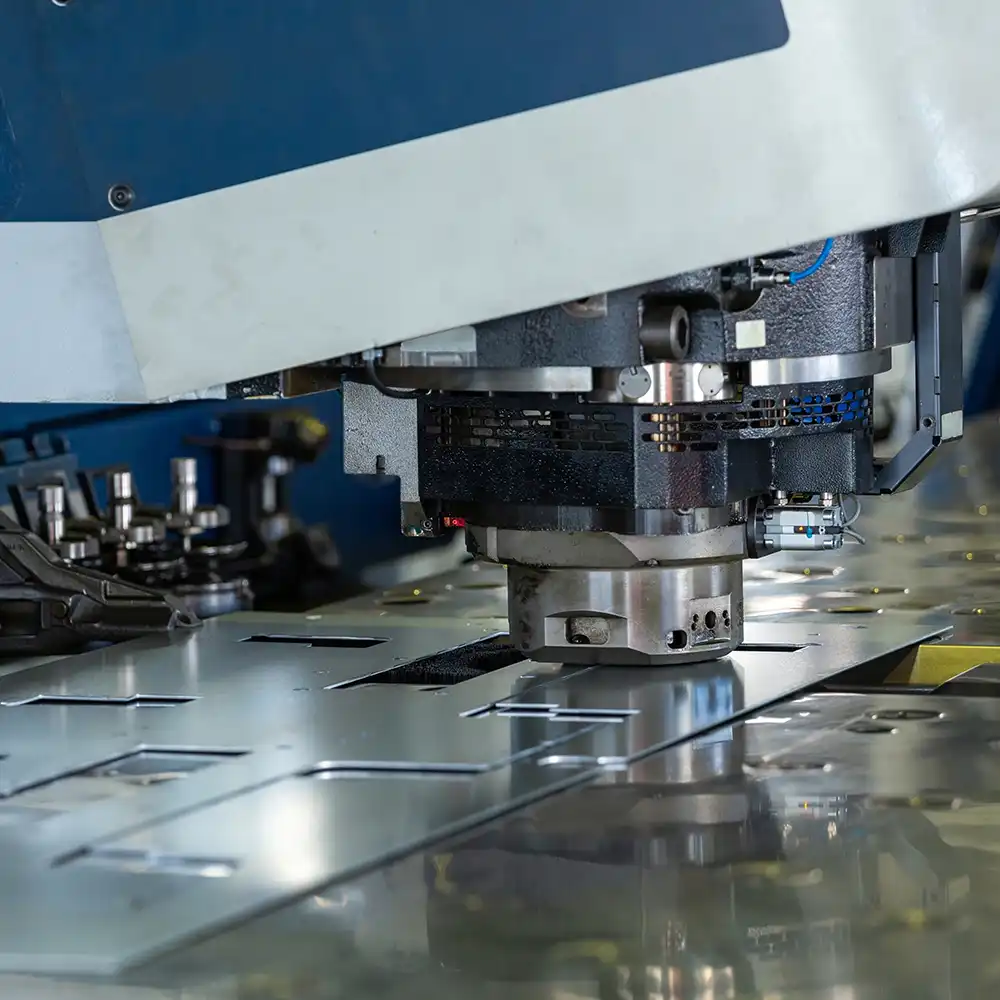
Lifecycle & Spare Parts Support
Ongoing digital continuity through CRAWLER paired with a long-term plan for sourcing critical replacement parts so your facility is not left stranded when a legacy component fails.
What Our Retrofit Projects Deliver
Across ECKLEBE's retrofit and modernization projects, a consistent pattern shows up: aging systems get materially more reliable, more efficient, and more precise once modernized.

More Throughput
Modernized control systems and improved process stability translate directly into more output per shift, regardless of whether the underlying equipment is a kiln, a casting line, or a press brake.

Less Unplanned Downtime
Reliable, modern automation replaces the troubleshooting guesswork that comes with failing legacy components, keeping equipment running when it's scheduled to run.

Less Scrap, Less Energy
Updated control precision reduces the process variability that worn or outdated systems tend to introduce, improving consistency across production runs.

Full Safety Compliance
Retrofitted systems meet current CE, OSHA, ISO, and SIL requirements, closing the gaps that accumulate as standards evolve past a system's original design.
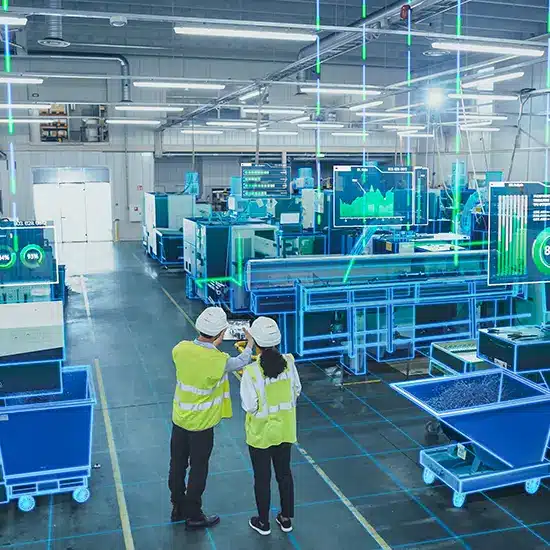
Digital Twins
See how simulation and real-time data work together to reduce commissioning risk

CRAWLER & Invisyne
Explore how machine data carries forward across every system generation
Questions We Answer Before Starting a Retrofit
-
What's the difference between a retrofit and a full automation integration?
The two serve different needs. Automation integration means designing and building a complete control system, electrical infrastructure, and digitalization solution from the ground up, which fits new facilities, greenfield projects, or operations where the existing infrastructure is too outdated to build on. A retrofit, by contrast, modernizes specific components of an existing system, including control hardware, drives, safety systems, and electrical panels, while preserving the parts that still have productive life left. The right choice comes down to the age and condition of the current infrastructure, production targets, and long-term asset strategy, which is exactly what an initial assessment is built to determine.
-
How do I know if my facility is a better fit for a retrofit or a full replacement?
That depends on a few factors: the age and condition of the existing equipment, parts availability, production targets, and long-term asset strategy. As a general rule, if the mechanical integrity of the equipment is sound and the primary issues sit in the controls, electrical systems, or software, a retrofit tends to be the faster, more cost-effective path. ECKLEBE starts every engagement with a thorough assessment of the current situation before recommending an approach, including an honest recommendation even when it points toward a different answer than expected. Contact us to get an evaluation.
-
How much downtime does a typical retrofit require?
Downtime varies significantly with the scope of the project, but minimizing disruption is central to how every retrofit gets planned. A phased migration plan sequences the work so critical systems stay operational through as much of the project as possible, rather than requiring a full shutdown for the duration. Timelines can range from a few weeks for a targeted controls retrofit on a single machine to several months for a full plant-wide modernization, with focused execution capable of moving considerably faster.
-
Will a retrofit bring an aging system up to current safety standards?
In most cases, yes. Retrofits that include control and electrical system upgrades are built to meet current safety requirements, including CE, OSHA, ISO, and SIL-compliant standards, which is often one of the primary drivers behind a modernization project in the first place. Rather than treating compliance as a separate initiative, safety upgrades get integrated into the broader controls and electrical work, so the systems governing safety and the systems governing production stay aligned once the project closes.
-
What happens to our operational data and process knowledge during a retrofit?
Without a deliberate strategy, hardware swaps and software migrations risk erasing years of accumulated process knowledge along with the old system. ECKLEBE builds digital continuity into every retrofit through CRAWLER, which continuously captures and structures machine data independently of the underlying control system, so that history carries forward into the new system rather than resetting. This turns each retrofit into a building block in a longer-term asset strategy, rather than a fresh start that discards what came before it.
Ready to Modernize Without Starting From Scratch?
Talk to our team about building a digital memory that carries forward across every system generation.